
Apr 28, 2026
NSW Public Sector ITAB April 2026 Newsletter

Resources available for all GTAN & WTAN online forums
Convened by the NSW Public Sector ITAB, the two industry forums bring together stakeholders from the Government and Public Safety Skills and Training Network (GTAN) and Water Industry Skills and Training Network (WTAN) to exchange information and insights related to workforce development within the government, public safety, corrections, and water sectors across NSW.
Resources for our recent March forums and all previous events can be accessed via our Resources page on the Public Sector ITAB website. Presentation recordings and slides are included.
Fast-tracking trade recognition for experienced workers in NSW
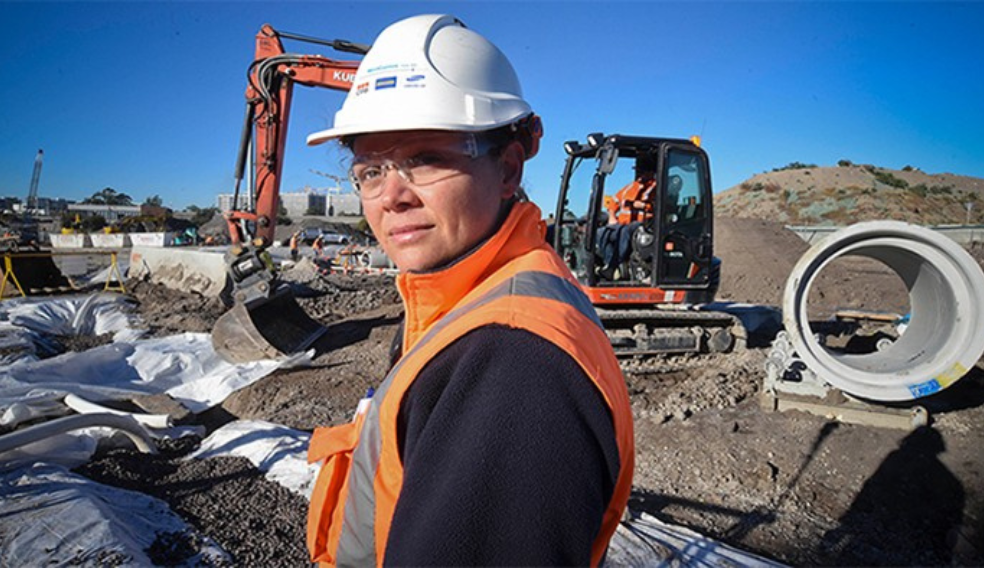
The Trade Pathways for Experienced Workers (TPEW) program is a NSW Government initiative aimed at supporting experienced workers to obtain formal trade qualifications. It acknowledges the capabilities and expertise individuals have gained through workplace experience and offers a structured pathway to achieve a nationally recognised qualification through a mix of Recognition of Prior Learning (RPL) and targeted gap training.
TPEW contributes to workforce development across priority industries by helping experienced but unqualified workers formalise their skills, enhancing job security, career opportunities and overall productivity. Training is delivered by approved providers under the Smart and Skilled program, with subsidised places available for eligible participants.
While initially targeted at the building and construction sector, the program also supports NSW Government commitments under the National Housing Accord by increasing the number of qualified tradespeople. It further extends to roles within water industry operations, recognising the sector’s essential role in enabling construction activity.
For further details on eligibility and the qualifications available, visit the TPEW website.
2026 Workforce Composition Survey for local water utilities
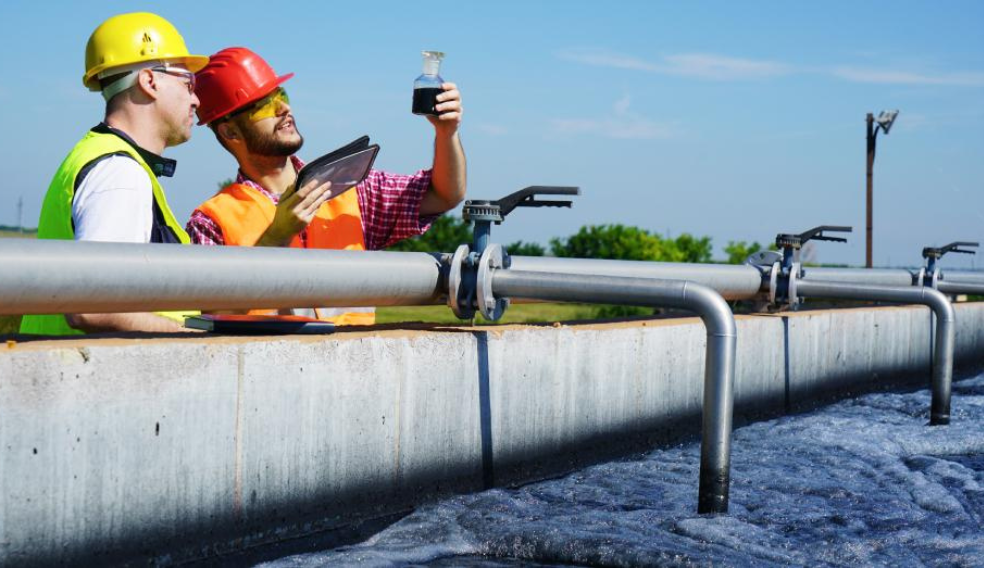
The DCCEEW Water Group is now calling all NSW local water utilities (LWUs) to complete the 2026 Workforce Composition Survey.
Many LWUs across NSW are continuing to face real challenges in recruiting and retaining trained and skilled staff. These pressures affect day‑to‑day operations, long‑term planning, and the resilience of teams. To build a clearer picture of what’s happening across the state, the Water Group and BuildSkills Australia have partnered to run a single, streamlined workforce survey this year.
Data collected will be used to support strategies for workforce development within LWUs, specifically relating to operational roles. Individual organisations will not be identified in reporting and the information provided will be treated as confidential by the department.
LWUs will receive a unique link to complete the survey and are offered individual support if required. The survey will close on Friday 8 May 2026.
The Water Group is also running drop-in sessions which include a short presentation followed by questions and answers. Visit the project webpage to either register for a drop-in session or learn more about the survey.

Public Sector Traineeship Program driving career growth across NSW
The 1,000 NSW Public Sector Apprentices and Trainees Program continues to create strong career pathways, with more than 600 participants currently earning and learning across 73 NSW Government agencies and State-owned Corporations. The initiative is building a pipeline of skilled workers while offering practical, paid experience alongside formal training.
One participant, Leilani Reid, began her traineeship with Revenue NSW in early 2025 while completing a Certificate IV in Project Management Practice. Her strong performance has already seen her step into a dual role, combining her traineeship with a project officer position in an Operational Excellence and Strategy team.
Through her role, Leilani contributes to day-to-day operations and strategic initiatives, gaining experience in areas such as project management, corporate communications, research and stakeholder engagement. Her exposure to senior teams and complex projects has accelerated her development and broadened her career opportunities.
Leilani also highlights the value of inclusive workplaces, noting that her neurodivergence has been a strength in her professional growth. Her experience reflects the program’s broader impact in supporting diverse talent and enabling individuals to thrive in public sector careers.
The program is now in its final recruitment round, with more than 400 additional roles on offer, surpassing the original 1,000 placement target and further strengthening NSW’s future workforce capability.
Read the full article on the NSW Department of Education website.
SES Youth Internship skills in action during emergency response
During Youth Week, a real-world incident highlighted the value of practical emergency training, with NSW State Emergency Service (SES) Youth Internship participant using her skills to assist in an emergency response.
Sixteen-year-old Leila Thew witnessed a light aircraft crash near Shellharbour Airport while on a supervised driving lesson. When emergency services were contacted, difficulty describing the rural location prompted Leila to use the What3Words app, knowledge gained through her NSW SES Youth Internship training, to provide precise coordinates. This enabled responders to quickly locate and reach the crash site.
NSW SES representatives noted that Leila’s response demonstrates how practical training equips young people with critical, real-world capabilities. The Youth Internship Program, available to 15 and 16-year-olds, focuses on disaster awareness and emergency response skills through direct engagement with SES volunteers.

The program will return to multiple NSW locations throughout 2026, with NSW SES encouraging young people to participate and build skills that can make a meaningful difference in emergency situations.
Read the full article on the SES NSW website.
Aboriginal pathways pilot strengthens opportunities in water workforce
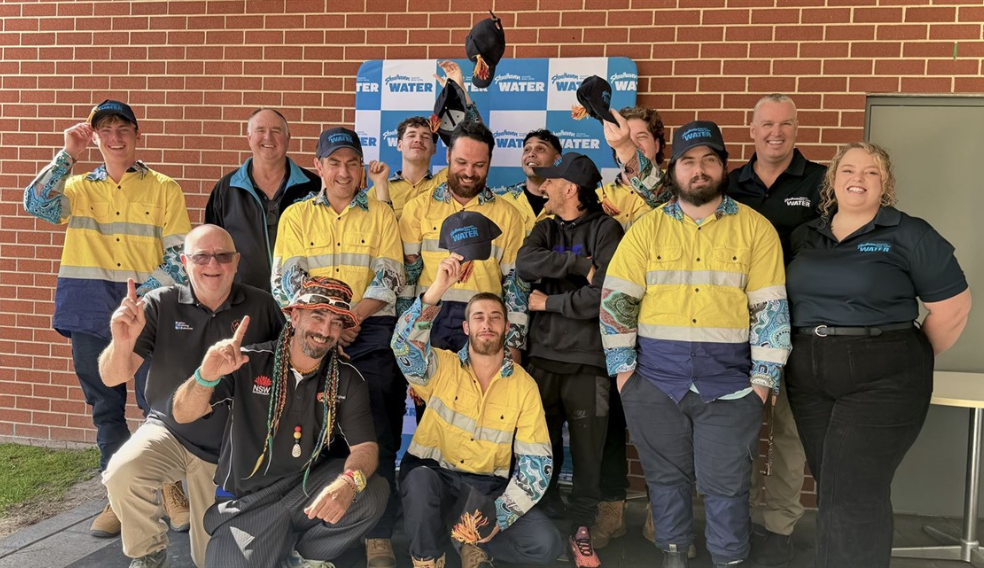
The NSW Government has launched a new pilot initiative in the Shoalhaven region aimed at creating stronger employment and training pathways for Aboriginal and Torres Strait Islander people seeking careers in water operations.
The Aboriginal Pathways: Fresh Start into Water Operations short course provides participants with foundational industry skills, including water sampling and testing, workplace health and safety, and an introduction to career opportunities within the water sector. Delivered through a partnership between the NSW Department of Climate Change, Energy, the Environment and Water, Aboriginal Affairs NSW, NSW Water Directorate, Shoalhaven Water, and local training providers, the program reflects a coordinated whole-of-government approach to workforce development.
The two-week pilot is designed as a scalable model that could be expanded across regional NSW to address local workforce shortages while supporting Aboriginal community participation in essential infrastructure sectors. Importantly, Shoalhaven Water plans to offer more than 10 full-time traineeships following the pilot, creating direct pathways from introductory training into long-term employment.
Co-funded through the NSW Department of Education’s Training Services and the Office of Local Government’s Fresh Start program, the initiative aligns with broader government priorities around Closing the Gap, regional workforce capability, and building sustainable skills pipelines for critical public services.
This program highlights the growing role of targeted, community-led VET and traineeship initiatives in strengthening workforce diversity, supporting regional service delivery, and developing the next generation of skilled water industry professionals.
Read the Minister’s Media Release.
National awareness campaign targets misleading RPL practices
The Australian Government, in partnership with the Australian Skills Quality Authority (ASQA), has launched a national awareness campaign to address misleading and unethical Recognition of Prior Learning (RPL) practices across the VET sector.
Delivered via social media and the Your Career website, the “Real Skills Deserve Real Recognition” campaign highlights that legitimate RPL is a structured, evidence-based assessment process, not a shortcut to qualifications. It requires engagement with qualified assessors, collection of verifiable evidence, and, where needed, practical demonstration of skills.
The campaign warns students to be cautious of providers offering guaranteed or fast-tracked qualifications with minimal evidence requirements, reinforcing that such practices undermine qualification integrity.
This initiative forms part of broader regulatory efforts by Australian Skills Quality Authority to strengthen compliance, protect students, and maintain confidence in nationally recognised training. For providers, it reinforces the expectation that RPL processes remain robust, transparent, and aligned to industry competency standards.
More information can be found on Your Career website.
New dataset strengthens links between VET and career pathways
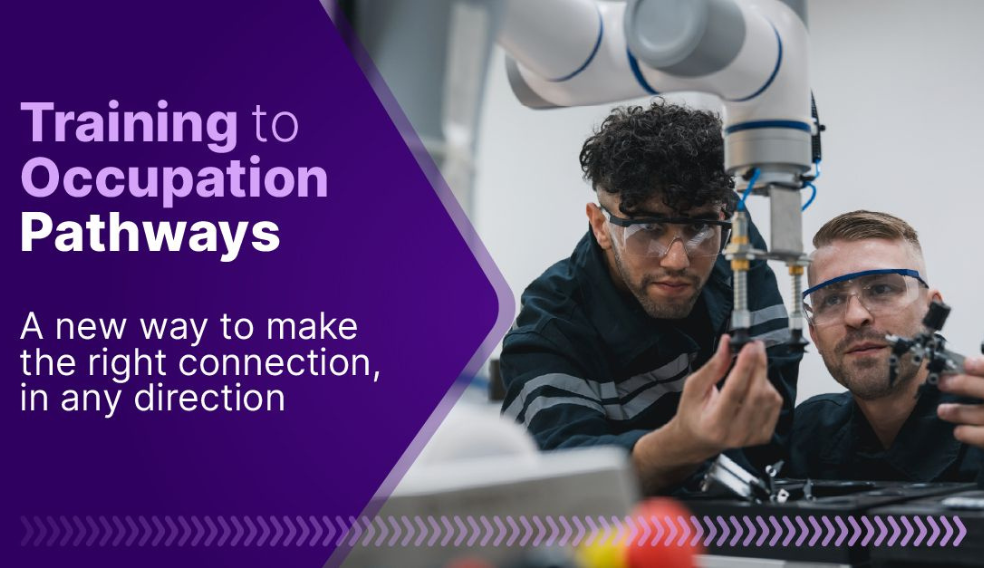
Jobs and Skills Australia has released its new Training to Occupation Pathways (TOP) dataset, a significant analytical tool designed to better connect vocational education and training (VET) qualifications with real-world employment outcomes.
The TOP dataset enables users to explore career pathways from two directions, starting with a qualification to identify potential occupations or beginning with an occupation to understand the training options available. This provides clearer insight for students, career practitioners, workforce planners, policymakers, and industry stakeholders seeking to align training investment with labour market demand.
Developed using advanced natural language processing (NLP) combined with extensive validation from JSA analysts, Jobs and Skills Councils, and industry experts, TOP introduces a more sophisticated view of qualification-to-job relationships. Importantly, it includes a new five-part pathways typology, such as ‘occupation ready’, ‘specialised training’, ‘progression pathway’, ‘pre-vocational’, and ‘related’ which helps users understand not just whether qualifications connect to occupations, but how they support entry, progression, or reskilling.
The release reflects growing national efforts to improve transparency and usability of training data, while reinforcing the broader role of VET in supporting workforce mobility, upskilling, and economic resilience. JSA has also published an accompanying methodology paper to ensure transparency in the dataset’s development and ongoing refinement.
Access the tool via the Jobs and Skills Australia website.
National Jobs and Skills Councils Update
Jobs and Skills Councils (JSCs) are a national network of industry owned and led organisations, designed to provide leadership in addressing national skills and training needs. They have been established to supply industry with a strong and strategic voice within the VET sector as part of broader government-led skills reform.
JSC activities including Workforce and Training Package projects relevant to Public Sector industries are listed below.

BuildSkills Australia (BSA): Access current projects via the links below:
- Civil Construction Review
- Hydrogen Skill Needs in the Plumbing and Gas Industry
- Insulation Installation & Inspection
- Minimum Australian Context Gap Training for Migrant Plumbers
- Utility Locating
- White Card Implementation – (Note endorsement of updated NWP Water products)
- Formwork Falsework Training Product Review
- Swimming Pool and Spa Service Review
- Temporary Traffic Management (TTM) Skill Sets
- Housing Workforce Capacity Study
- Water Sector Workforce Roadmap
Water industry stakeholders should reach out to David Cameron for any specific water sector issues.
Future Skills Organisation (FSO): Access current projects via the links below:
- Supporting Generative AI Adoption by Workers: The Role of Employers
- BSB Training Package (TP) Update: Safe and Respectful Workplaces Unit of Competency (UoC)
- FNS Training Product (TP) Update: Diploma / Cert IV in Finance and Mortgage Broking
- Qualification Design to Support Digital Capability
- Uplift Digital Capability
- Entry Level Pathways
- Digital Capability Training Product Trial (TPT)
- Digital Knowledge Exchange
- Telecommunications Technology Qualifications Update
- Specialist Artificial Intelligence
- Specialist Cyber Security Skills
Public Skills Australia (PSA): Access current projects via the links below:
- Correctional Services Training Implementation (Phase 2)
- Volunteer Leadership Project
- Defence Youth Development
- Cross-Industry Biosecurity Skills Review
- Auslan, Interpreting and Translating Qualification Review
- Review of Government Investigations Qualifications
- Defence Cyber Risk Assessment
- Review of Procurement and Contracting Qualifications
- Youth Volunteer Project
- Complex Infrastructure
- Defence Capability – VET Systems Pathways Framework
- POL - Police Training Package Release 11
- Correctional Services Implementation Findings Report
- Local Government Skills Audit
- Maintenance of PSP Public Sector Package