

Feb 23, 2026
NSW Public Sector ITAB February 2026 Newsletter

GTAN & WTAN online forums – Last call for registrations
Convened by the NSW Public Sector ITAB, the two industry forums bring together stakeholders from the Government and Public Safety Skills and Training Network (GTAN) and Water Industry Skills and Training Network (WTAN) to exchange information and insights related to workforce development within the government, public safety, corrections, and water sectors across NSW.
Our next online network forums scheduled for 3 March 2026 will provide up to date information on skills and training initiatives in NSW and feature guest speakers who will present on:
- National Training Package & Workforce Projects (Public Skills Australia and Build Skills Australia)
- Remotely Piloted Aviation Systems (RPAS) Program (Fire+Rescue NSW)
- NSW Fresh Start A&T Grant Program (OLG) and insights from Blacktown City Council
- Role of Purified Recycled Water for the Sydney water supply (Sydney Water)
- Implementation of the Water Operator’s Competency Benchmark and indigenous pathways into the water sector (DCCEEW)
Register now for the online GTAN & WTAN Forums
Government and Public Safety Skills and Training Network (GTAN) Forum
(Includes all government agencies, Local Councils, Correctional Services, Public Safety, Police & Defence)
Date: Tuesday 3 March 2026
Time: 10:00am - 11:30am (AEDT)
Water Industry Skills and Training Network (WTAN) Forum
Date: Tuesday 3 March 2026
Time: 1:30pm - 3:00pm (AEDT)

Final round open for NSW Public Sector apprentice and trainee program
Applications can be submitted for the final round of the NSW Government’s 1,000 Public Sector Apprentices and Trainees Program, which aims to employ an additional 1,000 apprentices and trainees across government agencies and state-owned corporations. Round 3 will support new roles while offering jobseekers the opportunity to earn while they learn and gain nationally recognised qualifications across a range of occupational areas.
The program provides participants with practical, on-the-job experience, structured training and mentoring from experienced professionals, helping them build skills and establish careers within the public sector. It also offers agencies a valuable pathway to attract and develop new talent to meet current and emerging workforce needs.
As the final intake under the current initiative, the program forms part of broader efforts to strengthen workforce capability, address skills shortages and promote apprenticeships and traineeships as a sustainable recruitment pathway across the NSW public sector.
If you are seeking an apprentice or trainee opportunity in the NSW public sector, please
Submit an expression of interest application
Visit NSW Government Apprentices and Trainees to find more information about how hiring trainees and apprentices can increase equity and alternative pathways into the NSW public sector.
$27 million investment to expand early childhood workforce scholarships
The NSW Government has announced a $27 million investment to fund 2,000 additional scholarships for early childhood education and care (ECEC) teachers and educators, aimed at strengthening workforce supply and capability across the sector. The scholarships provide financial support of up to $35,000 for teaching qualifications and up to $6,000 for vocational education and training (VET) qualifications, with applications now open.
The expanded program is designed to help both new entrants and existing workers gain higher qualifications, improve skills and enhance the quality of early learning services. Additional support is available for Aboriginal and Torres Strait Islander applicants and those in regional and remote areas.

The scholarship initiative is part of a broader workforce development effort, which also includes funding to support diploma-qualified educators to upgrade to degrees and fee-free professional development delivered in partnership with TAFE NSW. Together, these measures aim to build a sustainable pipeline of qualified early childhood professionals to meet growing demand.
More information can be found on the NSW Government website.

Nominations open for the 2026 NSW Training Awards
Nominations are now open for the 2026 NSW Training Awards, recognising excellence across vocational education and training (VET) in NSW and celebrating the achievements of learners, employers, trainers and training providers driving workforce capability and skills development.
Organisations and employers are encouraged to nominate in the following categories: Industry Collaboration; Small & Large Employer of the Year; Small & Large Training Provider of the Year; and two new categories – Disability Inclusion in the VET Sector and Outstanding Achievement in the VET and Skills Sector.
The awards provide a valuable opportunity to showcase innovation, partnership and inclusive workforce practices across the VET sector.
NSW was well represented at the 2025 Australian Training Awards, with Penelope Mackay from the Riverina named VET Teacher/Trainer of the Year, highlighting the strength of vocational education and training across the state.
Check the eligibility and selection criteria on the NSW Training Awards website.
Record firefighter recruitment starts to further boost emergency services
Fire and Rescue NSW has achieved its largest recruitment intake on record, with 648 firefighters graduating from the training academy, including 219 permanent and 429 on-call personnel. The increase reflects expanded training capacity and ongoing efforts to strengthen frontline emergency response capability across the state.
A new recruitment campaign is now underway to attract additional on-call firefighters, particularly in regional communities, where they play a vital role in providing local emergency response. The initiative highlights opportunities for community members to contribute to public safety while developing valuable operational skills and receiving paid training.
The workforce expansion is being supported by significant investment in training resources, station upgrades and new firefighting equipment, helping to improve working conditions and operational readiness. Emergency Services Minister Jihad Dib said the initiative is focused on ensuring communities are well supported by boosting firefighter numbers to record levels and investing in modern fire stations and firefighting fleet.
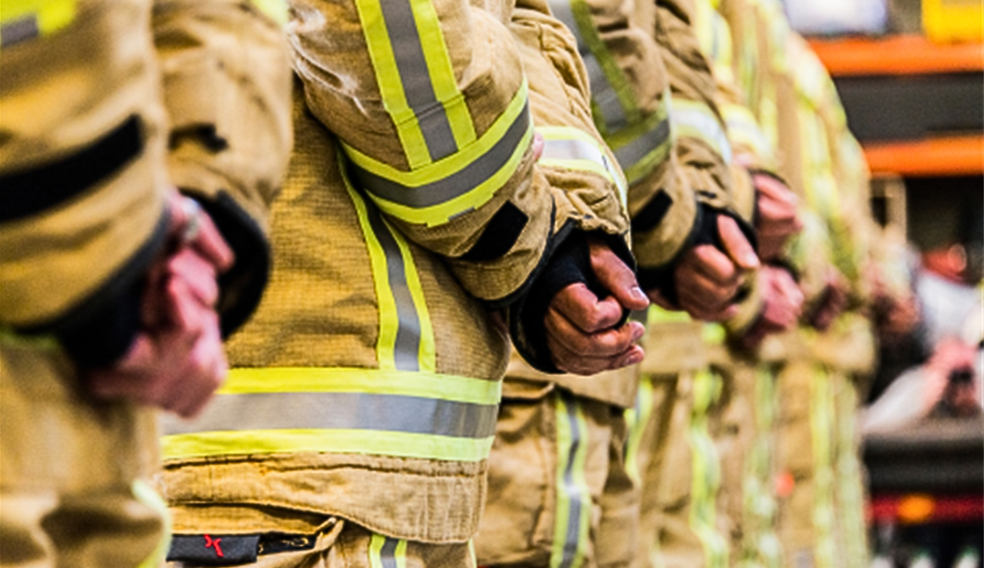
Together, these measures are designed to strengthen the sustainability and capability of the firefighting workforce and ensure emergency services are equipped to meet growing and evolving community needs.
Read the full Ministerial Media Release.

Growing data centre demand raises concerns for urban water supply
Australia’s rapid expansion of data centres, driven by increased digital and artificial intelligence capability, is expected to significantly increase demand for water, prompting renewed focus on sustainable water planning. With more than 250 data centres already operating across the nation, and further growth planned, experts warn that reliance on drinking water to cool servers could place additional pressure on already constrained urban water supplies.
Data centres require substantial water for cooling, with a single one-megawatt facility using up to 25.5 million litres annually. Larger hyperscale facilities used for AI can consume significantly more, and projections suggest data centres could account for up to a quarter of Sydney’s drinking water use by the end of the decade. In Melbourne, water authorities are already assessing multiple proposals that together could require water volumes comparable to the needs of hundreds of thousands of households.
In response, water sector specialists are highlighting the importance of long-term planning, including locating data centres near wastewater treatment plants and increasing the use of recycled water. This approach could help protect drinking water supplies while supporting continued digital infrastructure growth. The issue highlights the growing interdependence between digital infrastructure and essential water services, with implications for future water resource management, infrastructure planning and workforce capability in the urban water sector.
Read the full ABC article here.
Australian-first remote drone capability launched to support regional policing
NSW Police has introduced a new remotely operated drone capability, known as PolAir-Remote, in Moree to enhance operational support for regional and remote policing. The initiative enables drones to be deployed locally while being piloted from a central Remote Operations Centre at Bankstown Airport, allowing officers to access live aerial vision without requiring a pilot on site.
Since the drones were installed at Moree Police Station in January 2026, they have already supported frontline police in responding to incidents including assaults, break and enters, vehicle recoveries and targeted policing operations. The technology is also expected to play an important role in public safety and emergency response, including search and rescue activities and missing persons investigations, by improving situational awareness and coordination.

The six-month trial is the first of its kind in Australia and represents a significant advancement in the use of aviation and drone technology in policing. If successful, the capability is expected to be expanded to other regional locations across NSW. The initiative highlights the growing role of remotely piloted aircraft systems in strengthening operational effectiveness, supporting frontline officers and improving emergency response capability, particularly in regional and hard-to-reach areas.
Read the full article on the NSW Police website.
New and upgraded facilities to strengthen RFS volunteer capability
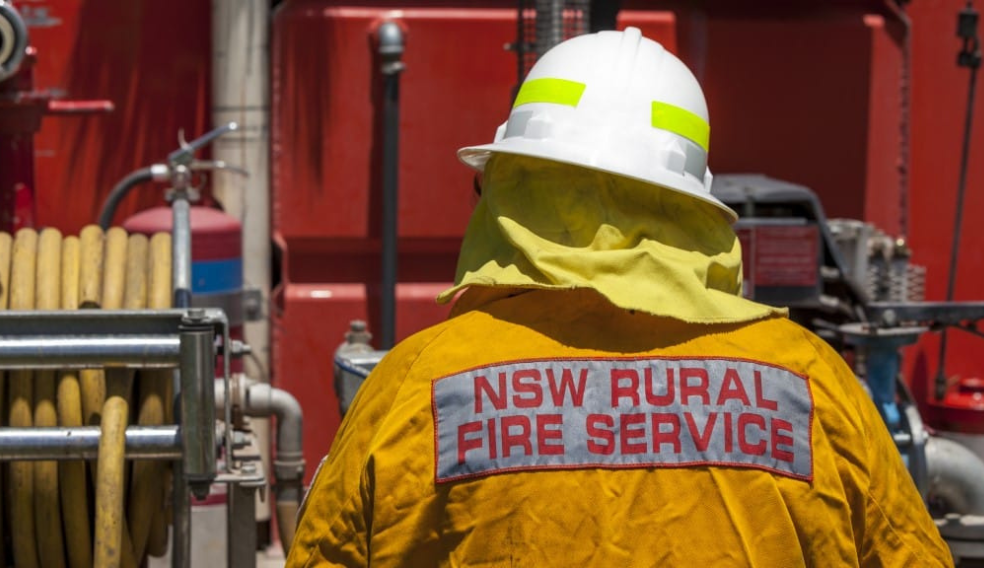
Work is progressing on a major infrastructure program to enhance the operational capability of NSW Rural Fire Service (RFS) volunteers and improve emergency coordination across regional communities. More than $34.5 million has been allocated this year to support the development of 28 new or upgraded bush fire and emergency facilities, including six new Fire Control and Emergency Operations Centres and 18 new rural fire brigade stations.
New emergency operations centres are under construction in Cooma, Clarence Valley and Namoi-Gwydir, with additional sites planned for Eurobodalla, Tumut and Hawkesbury. A new brigade complex is also being planned at Brewarrina to better support remote firefighting operations. These centres will play a key role in coordinating responses to bushfires and other emergencies such as floods and storms.
In addition, new and improved brigade stations across locations including the Hawkesbury, South Coast, Central Coast and Riverina will provide volunteers with modern facilities and improved amenities. Delivered in partnership with local councils, the program is designed to strengthen emergency response capability, support volunteer firefighters and ensure communities are better prepared to manage future natural disasters.
Read the full article at NSW Rural Fire Service.
Government-funded VET supporting employment outcomes
The Productivity Commission’s latest Report on Government Services shows government-funded vocational education and training (VET) continues to play a key role in supporting employment pathways and workforce participation across Australia. In 2024, almost 1.1 million people were enrolled in government-subsidised VET, with around three-quarters studying Certificate III and IV qualifications aligned to priority industries such as construction, care, business services and technical trades.
The report highlights strong participation among equity groups, including First Nations people, people with disability, those in remote areas and individuals in disadvantaged communities. Training outcomes were also positive, with approximately 354,700 students completing qualifications annually, and more than 86% achieving their primary training goal.

Employment benefits were significant, with nearly two-thirds of graduates improving their employment circumstances and almost 85% progressing to work or further study. The findings reinforce the importance of VET in building workforce capability and supporting economic productivity, underpinned by national investment agreements and initiatives designed to expand access to training.
Read the Ministers’ Media Release.

National review launched to improve worker mobility across borders
The Australian Government has appointed leading competition and productivity experts to revitalise the National Competition Council, including Marcus Bezzi as President, alongside Catherine Dermody, Dr Craig Emerson and Sally McMahon as councillors. As part of this renewed role, the Council will undertake its first major independent evaluation in more than 20 years, focusing on improving Australia’s occupational licensing and mutual recognition systems.
The review will examine how current arrangements support licensed workers—such as those in electrical and engineering trades—to work across state and territory borders without unnecessary delays, costs or duplicate licensing. The evaluation aims to identify opportunities to reduce red tape, strengthen labour mobility and improve workforce flexibility while maintaining professional standards.
Findings will be reported to the Council on Federal Financial Relations in July 2026 and will inform national reforms to create a more seamless labour market. The initiative is expected to support productivity, help workers move to where they are most needed, and make it easier for businesses to access skilled labour across Australia.
Find more information on the DEWR website.
National Jobs and Skills Councils Update
Jobs and Skills Councils (JSCs) are a national network of industry owned and led organisations, designed to provide leadership in addressing national skills and training needs. They have been established to supply industry with a strong and strategic voice within the VET sector as part of broader government-led skills reform.
JSC activities including Workforce and Training Package projects relevant to Public Sector industries are listed below.

BuildSkills Australia (BSA): Access BSA’s current projects via the links below.
- Civil Construction Review
- Hydrogen Skill Needs in the Plumbing and Gas Industry
- Insulation Installation & Inspection
- Minimum Australian Context Gap Training for Migrant Plumbers
- Utility Locating
- White Card Implementation – (Note endorsement of updated NWP Water products)
- Formwork Falsework Training Product Review
- Swimming Pool and Spa Service Review
- Temporary Traffic Management (TTM) Skill Sets
- Housing Workforce Capacity Study
- Water Sector Workforce Roadmap
Water industry stakeholders should reach out to David Cameron for any specific water sector issues.
Future Skills Organisation (FSO): Access FSO’s current projects via the links below.
- Supporting Generative AI Adoption by Workers: The Role of Employers
- BSB Training Package (TP) Update: Safe and Respectful Workplaces Unit of Competency (UoC)
- ICT Training Package: Needs and Gap Analysis
- Qualification Design to Support Digital Capability
- Uplift Digital Capability
- Entry Level Pathways
- Digital Capability Training Product Trial (TPT)
- Digital Knowledge Exchange
- Telecommunications Technology Qualifications Update
- Specialist Artificial Intelligence
- Specialist Cyber Security Skills
Public Skills Australia (PSA): Access PSA’s current projects via the links below.
- Defence Capability – VET Systems Pathways Framework
- Review of Procurement and Contracting Qualifications
- POL - Police Training Package Release 11
- Review of Government Investigations Qualifications
- Correctional Services Implementation Findings Report
- Defence Cyber Risk Assessment
- Local Government Skills Audit
- Volunteer Leadership Project
- Auslan, Interpreting and Translating Qualification Review
- Complex Infrastructure
- Defence Youth Development