
Jun 16, 2026
NSW Public Sector ITAB June 2026 Newsletter
Acknowledgement and Thanks
As I prepare to move on to a new role, I would like to take this opportunity to sincerely thank the many industry stakeholders, employers, training providers, government representatives and committee members who have supported the NSW Public Sector ITAB over the past five years.
It has been a privilege to work alongside so many dedicated people who generously contribute their time, expertise and insights to strengthen workforce development, skills and training outcomes across their sectors. Your commitment to supporting current and future workers has been instrumental in ensuring industry voices continue to shape vocational education and training priorities.
The encouragement, collaboration and support provided throughout this period have been greatly appreciated. Together, we have navigated significant challenges and opportunities and much has been achieved through our collective efforts and shared commitment to strengthening skills and workforce outcomes across the public sector and related industries.
I wish you all continued success in the years ahead and thank you once again for your contribution to the industries and communities you serve. A new Executive Officer will be assuming the role in the coming months, and I am confident they will be warmly welcomed and supported by the same dedicated network of stakeholders whose commitment and collaboration continue to strengthen skills, training and workforce outcomes across the sector.
NSW expands Public Sector apprenticeships and traineeships program
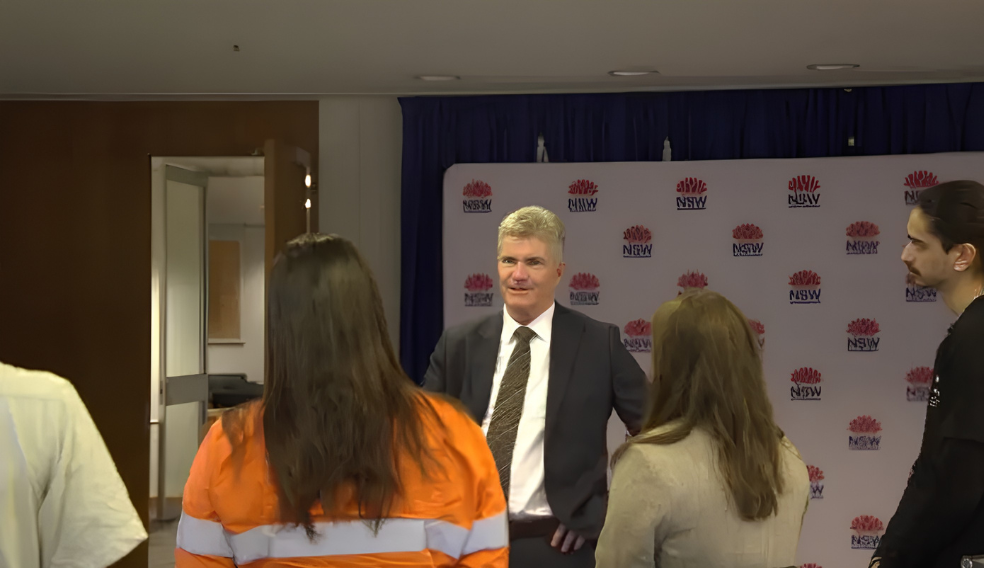
The NSW Government has announced funding for an additional 1,000 apprentices and trainees across the public sector, further strengthening workforce pipelines in critical service areas and helping address skills shortages across the state. The new positions create paid employment and training opportunities across a range of government agencies and essential services, while supporting the development of future workforce capability in priority occupations.
More than half of the new apprenticeship and traineeship positions are located in regional NSW, creating career opportunities closer to home and helping to build the workforce capacity of regional communities. The largest numbers of participants are located in Western Sydney and the Blue Mountains, followed by the Hunter and Central Coast, North Coast and Mid North Coast, Western NSW and the Riverina. Women represent 45 per cent, demonstrating continued growth in participation across a broader range of industries and occupations.
Participants are undertaking nationally recognised training in fields such as, early childhood education, civil construction, plumbing, health services, information technology and electrotechnology. More than three-quarters of the positions are aligned to the critical skills areas identified in the NSW Skills Plan. The initiative continues to strengthen vocational pathways into public sector careers while supporting the skilled workforce needed to meet future service and infrastructure demands across NSW.
Read the full article on the NSW Department of Education’s website
OLG Fresh Start Program creates new career pathways
Recent Fresh Start Program case studies highlight the diverse range of career opportunities being created through apprenticeships, traineeships and cadetships across NSW local government. The Office of Local Government (OLG) program is supporting people of all ages and backgrounds to gain nationally recognised qualifications while contributing to their local communities.
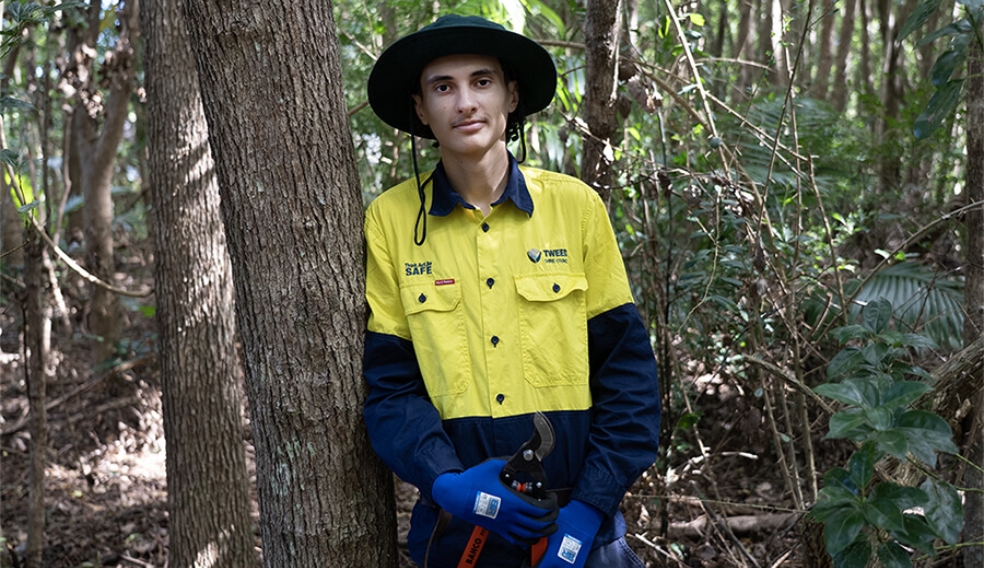
Participants include Blaze Curtis-Green, an Aboriginal and Torres Strait Islander Catchment and Land Management Trainee with Tweed Shire Council, who is pursuing his passion for caring for Country and environmental conservation. Also featured is Abbie Seymour, a Social Media and Digital Content Creator Trainee with Tweed Shire Council, who used the program to transition from hospitality into a creative communications career while earning a qualification and gaining practical industry experience.
Additional case studies showcase trainees and cadets in information technology, children's services, surveying and diesel mechanics across councils including Wagga Wagga City Council, Bland Shire Council and Lake Macquarie City Council. Together, these stories demonstrate how the Fresh Start Program is helping councils attract new talent, build workforce capability and create meaningful career pathways in occupations that support essential local government services and community outcomes.
Access all Case Studies on the OLG website.
NSW Fee-Free and subsidised training opportunities
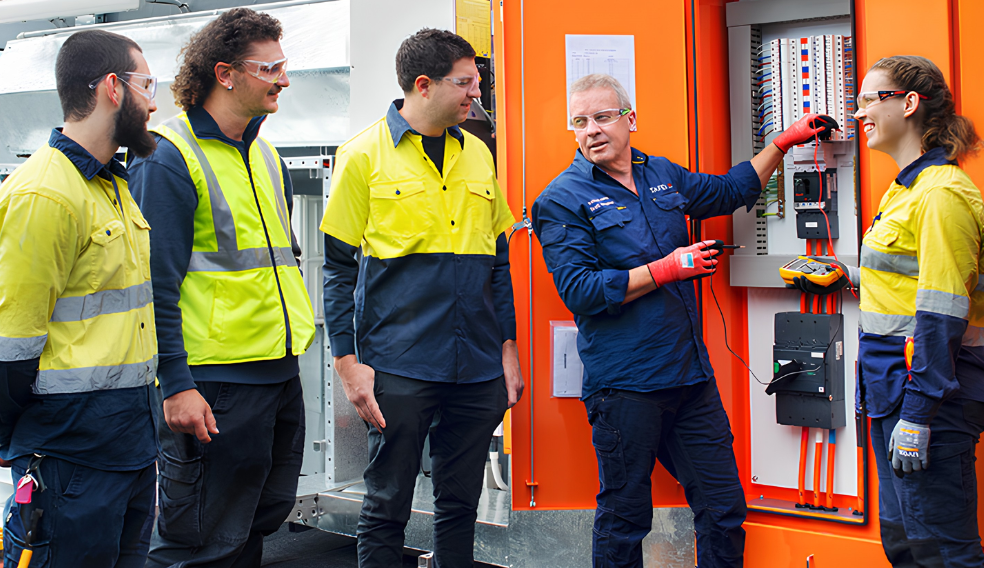
NSW residents continue to have access to a wide range of government-subsidised and fee-free training opportunities through Smart and Skilled, NSW Fee Free and Fee-Free Apprenticeships and Traineeships. These initiatives are designed to help individuals gain new skills, secure employment and progress their careers in priority industries while supporting workforce development across the state.
Under Smart and Skilled, eligible students can access subsidised Certificate I to Advanced Diploma qualifications, with reduced fees, concessions and fee exemptions available in many circumstances. NSW Fee Free training further expands access to priority qualifications, with more than 100 qualifications currently available fee free and an additional 48 qualifications offered through NSW Fee Free Construction. Students commencing eligible training before 31 December 2026 may be able to access these opportunities through approved public, private and community training providers, including TAFE NSW.
Importantly, all government-subsidised apprenticeship and traineeship qualifications in NSW remain fully fee free. In addition, the NSW Fee Free Construction Pre-Apprenticeship Program provides an opportunity for prospective entrants to explore construction trades, develop practical skills and prepare for an apprenticeship or traineeship pathway at no cost. Individuals interested in training should contact their preferred training provider to confirm course availability, eligibility requirements and funding arrangements.
Further information is available here.
DCCEEW’s 2026 Water Workforce Composition Survey
DCCEEW has recently implemented a regional Water Workforce Composition Survey, with Local Water Utilities (LWUs) across NSW being thanked for their participation in this important initiative. The data collected aims to build a clearer picture of the current and future workforce needs of the state's water sector.
The survey comes at a time when many utilities continue to experience challenges attracting, recruiting and retaining skilled workers, particularly in operational and technical roles. These workforce pressures can affect service delivery, succession planning, organisational resilience and the capacity of utilities to respond to increasing regulatory, environmental and infrastructure demands.
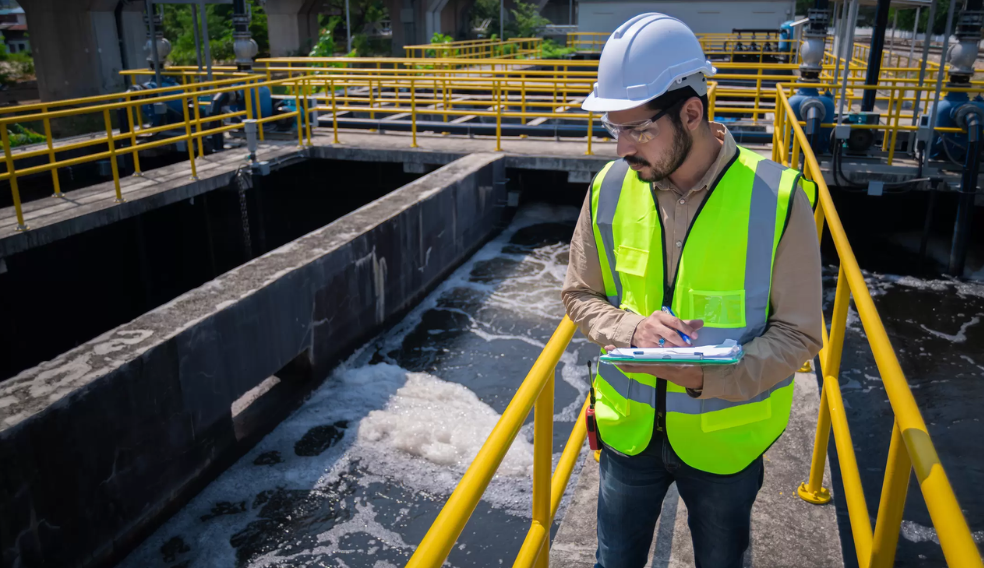
The information collected will provide valuable workforce intelligence to help identify emerging trends, skills gaps and future workforce requirements across the sector. The findings will support the development of targeted workforce planning, training and capability-building strategies designed to strengthen the pipeline of skilled workers entering and progressing within the water industry. A comprehensive report outlining the survey findings and key workforce trends is expected to be released in the second half of 2026.
Major cities continue to outperform regional labour markets
The latest Jobs and Skills Australia Regional Labour Market Indicator (RLMI) for March 2026 shows labour market conditions remain strongest in Australia's major cities, with almost two-thirds of metropolitan regions rated as strong or above average. Sydney, Brisbane and Perth recorded particularly positive results, reflecting continued employment growth and workforce demand.
While several regional areas also performed well, including regions surrounding Brisbane, south-west Western Australia, Victoria's Surf Coast and parts of the Southern Murray-Darling Basin, labour market outcomes across regional Australia remain mixed. More than one-third of regional labour markets were rated below average or poor, highlighting ongoing workforce challenges in many communities.
The report also found that remote Australia continues to experience the weakest labour market conditions nationally. However, a new productivity measure introduced in this edition of the RLMI suggests there are encouraging longer-term trends emerging, with productivity growth strengthening across many regional and remote areas. The findings reinforce the importance of targeted workforce development and skills initiatives to support regional labour markets and address local workforce needs.
Read the full Jobs and Skills Australia Report
National Jobs and Skills Council Update
Jobs and Skills Councils (JSCs) are a national network of industry owned and led organisations, designed to provide leadership in addressing national skills and training needs. They have been established to supply industry with a strong and strategic voice within the VET sector as part of broader government-led skills reform.
JSC activities including Workforce and Training Package projects relevant to Public Sector industries are listed below.

BuildSkills Australia (BSA): Access current projects via the links below.:
- Civil Construction Review
- Hydrogen Skill Needs in the Plumbing and Gas Industry
- Insulation Installation & Inspection
- Minimum Australian Context Gap Training for Migrant Plumbers
- Utility Locating
- Formwork Falsework Training Product Review
- Swimming Pool and Spa Service Review
- Temporary Traffic Management (TTM) Skill Sets
- Housing Workforce Capacity Study
- Water Sector Workforce Roadmap
Water industry stakeholders should reach out to David Cameron for any specific water sector issues.
Future Skills Organisation (FSO): Access current projects via the links below:
- Supporting Generative AI Adoption by Workers: The Role of Employers
- BSB Training Package (TP) Update: Safe and Respectful Workplaces Unit of Competency (UoC)
- FNS Training Product (TP) Update: Diploma / Cert IV in Finance and Mortgage Broking
- Uplift Digital Capability
- Entry Level Pathways
- Digital Capability Training Product Trial (TPT)
- Digital Knowledge Exchange
- Telecommunications Technology Qualifications Update
- Specialist Artificial Intelligence
- Specialist Cyber Security Skills
Public Skills Australia (PSA): Access current projects via the links below.
- Correctional Services Training Implementation (Phase 2)
- Volunteer Leadership Project
- Cross-Industry Biosecurity Skills Review
- Auslan, Interpreting and Translating Qualification Review
- Review of Government Investigations Qualifications
- Defence Cyber Risk Assessment
- Review of Procurement and Contracting Qualifications
- Youth Volunteer Project
- Complex Infrastructure
- Defence Capability – VET Systems Pathways Framework
- POL - Police Training Package Release 11
- Correctional Services Implementation Findings Report
- Local Government Skills Audit
- Maintenance of PSP Public Sector Package