
Mar 25, 2026
NSW Public Sector ITAB March 2026 Newsletter

Resources now available for March GTAN & WTAN online forums
Convened by the NSW Public Sector ITAB, the two industry forums bring together stakeholders from the Government and Public Safety Skills and Training Network (GTAN) and Water Industry Skills and Training Network (WTAN) to exchange information and insights related to workforce development within the government, public safety, corrections, and water sectors across NSW.
Our recent March events gave our network members valuable opportunities to hear from a diverse range of guest speakers, each sharing insights into their sector programs, current projects and skill development activities. Members were also provided information on the latest funding and grant opportunities in NSW.
On behalf of both networks, I would like to extend my appreciation to all presenters who generously shared insights about their programs and innovations at the GTAN & WTAN forums. The information they provide is highly valued and keeps our networks abreast of what’s happening in relation to skills and training for our sectors.
Special thanks to our presenters:
- James Stroud and Paul Watson (Public Skills Australia)
- Russel Turner (Fire and Rescue NSW)
- Peter O’Doherty (Fresh Start Grants Program, OLG NSW)
- Maria Hondrogianis (Blacktown City Council)
- David Cameron (BuildSkills Australia)
- Daniel Sampedro and Ron Wright (Sydney Water)
- Hannah Crockford and Wayne Wilson (DCCEEW - Water)
Recordings and resources can be accessed for both forums on the NSW Public Sector ITAB website or via these links:
NSW Local Government benefits from investment in future workforce
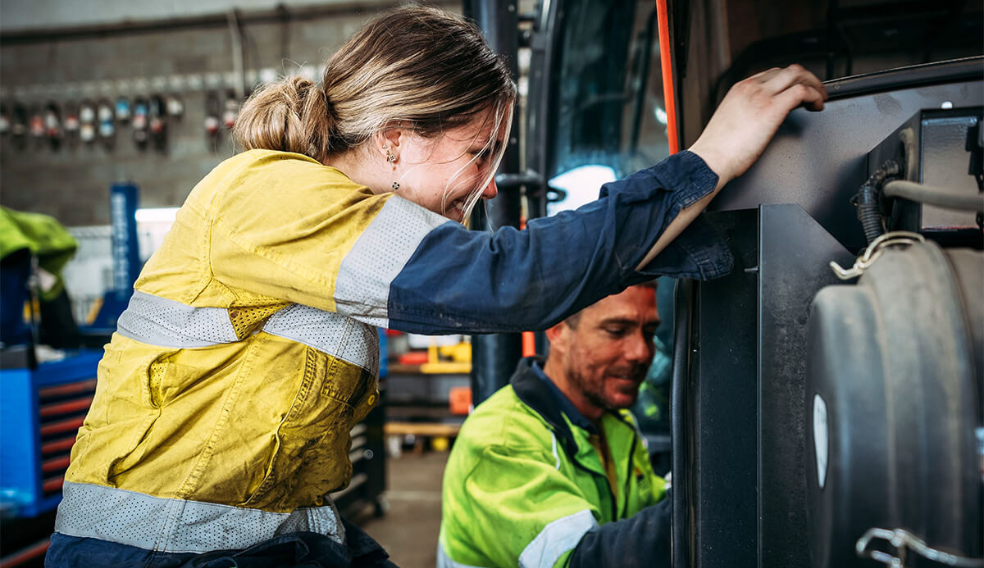
Bega Valley Shire Council is continuing to strengthen its workforce pipeline through a strong commitment to apprenticeships, traineeships and cadetships, with around 10% of its workforce now in training pathways and 35 active roles currently in place.
Recent recruitment of new trainees and apprentices across a range of roles highlights the breadth of opportunities available, supported in part by the NSW Government’s Fresh Start Program. The initiative is enabling councils to address workforce shortages while providing young people with access to practical, career-focused training that may not otherwise be available locally.
Council representatives noted that these pathways are playing an important role in retaining local talent, with many participants choosing to remain in the region rather than relocate for study. Apprenticeships and traineeships are also proving to be an effective alternative to traditional education, offering hands-on experience and clear employment pathways.
The approach is delivering dual benefits—building a skilled workforce to meet current and future service needs, while also supporting broader community outcomes through employment and skills development. Council also highlighted the importance of increasing diversity in trade roles, particularly encouraging more women to enter traditionally male-dominated occupations.
Overall, the program demonstrates how local government can leverage structured training pathways to address skills gaps, support regional workforce development and invest in long-term capability.
Read Councillor Clair Mudaliar’s news story here.
Purpose, pay and pathways: School Infrastructure cadet and trainee opportunities
School Infrastructure, part of the NSW Department of Education, is currently seeking applications for its July 2026 intake of trainees and cadets, with positions available across a range of locations throughout NSW.
The two-year paid infrastructure pathway program is aimed at recent school leavers and students undertaking tertiary study. It provides participants with the opportunity to develop practical skills and gain hands-on experience while working alongside experienced professionals delivering new school builds, major upgrades and maintenance projects that support students, teachers and local communities.
The program offers two distinct entry pathways into the sector. Cadet positions are tailored for university and TAFE students studying areas such as project or construction management, while trainee roles are suited to school leavers who are prepared to undertake a nationally recognised Certificate IV in Project Management as part of their training.

No prior experience is required, with the program focusing on attracting candidates who demonstrate enthusiasm, reliability and a willingness to learn. Participants are supported throughout the program with a range of learning and development opportunities designed to build confidence, capability and long-term career prospects within the infrastructure and public sector workforce.
For further information and application details, visit School Infrastructure traineeship and cadetship pathways. Applications close Monday, 6 April 2026.

Nominations open for the 2026 NSW Training Awards
Nominations are now open for the 2026 NSW Training Awards, recognising excellence across vocational education and training (VET) in NSW and celebrating the achievements of learners, employers, trainers and training providers driving workforce capability and skills development.
Organisations and employers are encouraged to nominate in the following categories: Industry Collaboration; Small & Large Employer of the Year; Small & Large Training Provider of the Year; and two new categories – Disability Inclusion in the VET Sector and Outstanding Achievement in the VET and Skills Sector.
The awards provide a valuable opportunity to showcase innovation, partnership and inclusive workforce practices across the VET sector.
Earlier this month, NSW was well represented at the Australian Training Awards, with Penelope Mackay from the Riverina named VET Teacher/Trainer of the Year, highlighting the strength of vocational education and training across the state.
Check the eligibility and selection criteria on the NSW Department of Education website.
Building careers and pathways for indigenous employees in the NSW water industry
The NSW water industry continues to play a critical role in safeguarding public health and supporting environmental sustainability, while also offering a wide range of meaningful career opportunities. From treatment plant operators and wastewater specialists to engineers and hydrologists, the sector relies on a diverse and skilled workforce to ensure the safe delivery, management and recycling of water across communities.
With growing global focus on water security and sustainable resource management, careers in the sector are increasingly aligned to innovation, technical capability and long-term environmental outcomes. This positions the industry as both essential and future-focused, with strong demand for skilled workers.
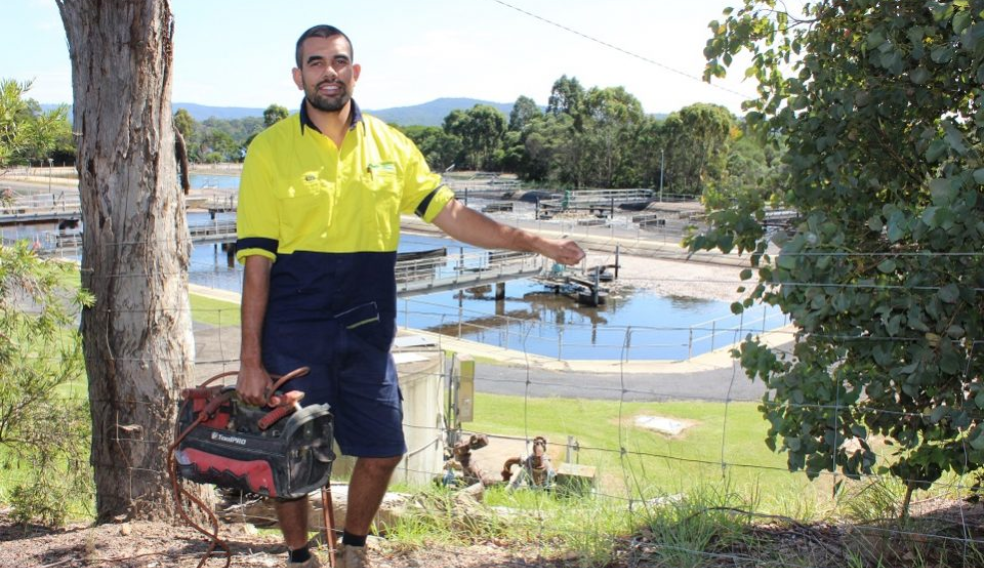
Encouragingly, targeted initiatives are also supporting greater workforce diversity. Aboriginal traineeships, in particular, are creating accessible entry pathways into the industry. More can be learned about how these traineeships are supporting Aboriginal people to enter and progress in the sector through personal stories from participants, which highlight the impact of these opportunities and help inspire the next generation to consider careers in water.
Access some of the personal stories on NSW DCCEEW website.
NSW SES strengthens search and rescue capability
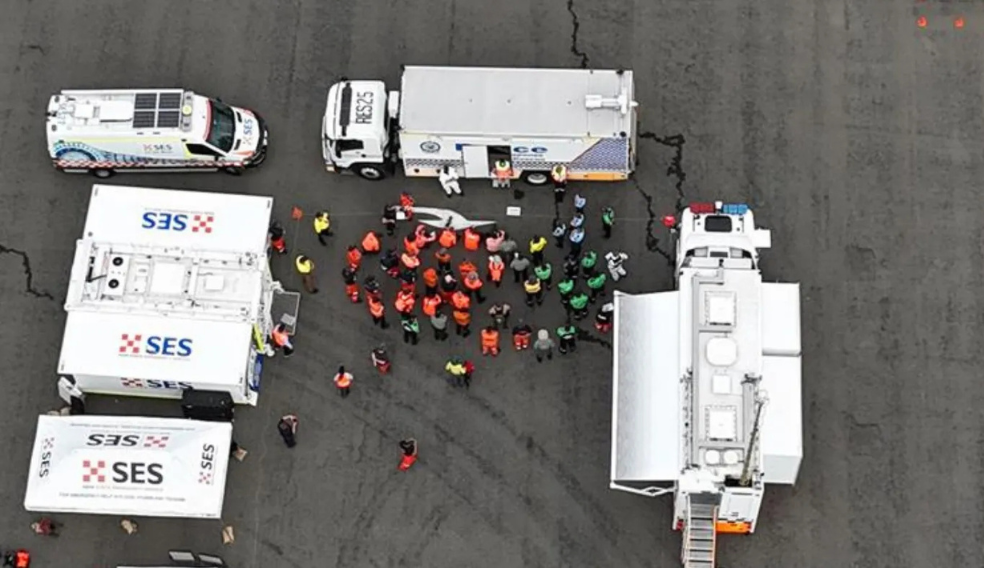
NSW State Emergency Service (SES) volunteers have recently undertaken a large-scale multi-agency land search and rescue exercise near Cordeaux Dam, led by NSW Police. The activity brought together SES crews from across the Illawarra, alongside specialist bush search and rescue personnel, to participate in coordinated field operations across challenging terrain.
The exercise focused on enhancing inter-agency coordination, refining search methodologies, and testing contemporary mapping and communication technologies used in modern search operations. Realistic missing person scenarios were used to simulate operational conditions and strengthen readiness for complex incidents.
The training highlighted the critical role SES volunteers play in supporting NSW Police, particularly in large-scale searches across remote and difficult environments. It also reinforced the importance of shared systems, disciplined search techniques, and effective communication in ensuring successful outcomes during emergency response operations.
Read the full article on the NSW SES website.
AI-driven recruitment highlights need for stronger skills-based approach
The growing use of artificial intelligence in recruitment is highlighted as both an opportunity and a risk for the labour market according to Megan Lilly, Deputy Commissioner of Jobs and Skills Australia. In a recent article Ms Lilly proposes that while AI is streamlining hiring processes, it is also increasing the likelihood that capable candidates may be overlooked if their skills are not easily captured through keywords, job titles or formal qualifications.
The article points to a widening disconnect between how employers define roles and how individuals present their capabilities, particularly in sectors such as care, community services and public safety, where critical skills like communication, problem-solving and emotional intelligence are often under-recognised.
To address this, there is a clear shift toward skills-based hiring, with employers seeking better ways to identify transferable and cognitive skills. Jobs and Skills Australia’s proposed National Skills Taxonomy is identified as a key reform, aiming to create a shared language for skills across industry, education and employment systems.

A more consistent and transparent approach to recognising skills is expected to improve job matching, support workforce mobility and strengthen alignment between training pathways and real job outcomes. With trials set to begin and broader rollout planned from mid-2026, the move toward a skills-first framework is seen as essential to ensuring recruitment systems remain fair, inclusive and fit for purpose in a rapidly evolving economy.
Read the full article on the Jobs and Skills Australia website.

Research highlights importance of First Nations leadership in VET workforce
New research from Jobs and Skills Australia highlights the critical role of First Nations leadership in strengthening Australia’s vocational education and training (VET) system. The findings emphasise that First Nations-led approaches are essential to delivering culturally responsive training and improving outcomes for Aboriginal and Torres Strait Islander learners and communities.
The report shows that the First Nations VET workforce grew by 18% between 2016 and 2021, outpacing overall workforce growth, yet remains underrepresented. This points to both strong progress and the need for continued investment to build a more inclusive and representative workforce.
Importantly, First Nations educators are shown to enhance learner engagement and completion rates, while also helping to address skills shortages, particularly in regional and remote areas. Their contribution is closely aligned to broader economic and social priorities, including Closing the Gap.
While challenges such as job insecurity, limited career pathways and cultural load remain, the research identifies practical solutions through a set of co-designed principles. These provide guidance for governments, training providers and industry to create culturally safe environments and support the growth of a First Nations-led VET workforce.
Overall, the report provides clear evidence that strengthening First Nations participation in the VET workforce is key to building a more effective, inclusive and sustainable skills system.
Read the full report here.
NSW expands mental health inspector workforce to strengthen workplace safety
The NSW Government has announced a major expansion of SafeWork NSW’s inspectorate, including 20 new psychosocial inspectors as part of the largest uplift in inspectors in the agency’s history. This initiative forms part of a broader investment to improve workplace health and safety outcomes, with a strong focus on preventing psychological harm.
The new inspectors bring specialist expertise in areas such as mental health, trauma-informed practice, workplace behaviour and injury management. Their role will support businesses and workers to better identify, manage and prevent psychosocial risks, including those associated with bullying, excessive workloads and exposure to traumatic events.
The expanded inspectorate will strengthen SafeWork NSW’s focus on psychological health at work by enhancing compliance and enforcement activities, including the ability to issue on-the-spot fines, and responding directly to reported psychosocial incidents. It will also support the development of dedicated resources, promote preventative approaches to psychological injury, and provide workers and employers with a specialised point of contact for mental health-related workplace concerns. In addition, inspectors will assist organisations in meeting their return-to-work obligations for employees experiencing psychological injury.

Complementing this approach, a new Psychosocial Advisory Service will provide tailored guidance to workplaces, reinforcing NSW’s leadership in addressing mental health risks through proactive, system-wide reform.
Read the Minister’s Media Release here.
National Jobs and Skills Councils Update
Jobs and Skills Councils (JSCs) are a national network of industry owned and led organisations, designed to provide leadership in addressing national skills and training needs. They have been established to supply industry with a strong and strategic voice within the VET sector as part of broader government-led skills reform.
JSC activities including Workforce and Training Package projects relevant to Public Sector industries are listed below.

BuildSkills Australia (BSA): Access BSA’s current projects via the links below.:
- Civil Construction Review
- Hydrogen Skill Needs in the Plumbing and Gas Industry
- Insulation Installation & Inspection
- Minimum Australian Context Gap Training for Migrant Plumbers
- Utility Locating
- White Card Implementation – (Note endorsement of updated NWP Water products)
- Formwork Falsework Training Product Review
- Swimming Pool and Spa Service Review
- Temporary Traffic Management (TTM) Skill Sets
- Housing Workforce Capacity Study
- Water Sector Workforce Roadmap
Water industry stakeholders should reach out to David Cameron for any specific water sector issues.
Future Skills Organisation (FSO): Access FSO’s current projects via the links below:
- Supporting Generative AI Adoption by Workers: The Role of Employers
- BSB Training Package (TP) Update: Safe and Respectful Workplaces Unit of Competency (UoC)
- FNS Training Product (TP) Update: Diploma / Cert IV in Finance and Mortgage Broking
- Qualification Design to Support Digital Capability
- Uplift Digital Capability
- Entry Level Pathways
- Digital Capability Training Product Trial (TPT)
- Digital Knowledge Exchange
- Telecommunications Technology Qualifications Update
- Specialist Artificial Intelligence
- Specialist Cyber Security Skills
Public Skills Australia (PSA): Access PSA’s current projects via the links below.
- Correctional Services Training Implementation (Phase 2)
- Volunteer Leadership Project
- Defence Youth Development
- Cross-Industry Biosecurity Skills Review
- Auslan, Interpreting and Translating Qualification Review
- Review of Government Investigations Qualifications
- Defence Cyber Risk Assessment
- Review of Procurement and Contracting Qualifications
- Youth Volunteer Project
- Complex Infrastructure
- Defence Capability – VET Systems Pathways Framework
- POL - Police Training Package Release 11
- Correctional Services Implementation Findings Report
- Local Government Skills Audit
- Maintenance of PSP Public Sector Package